Fire Safety for Equestrian Yards and Stables
Updated: Mar 31
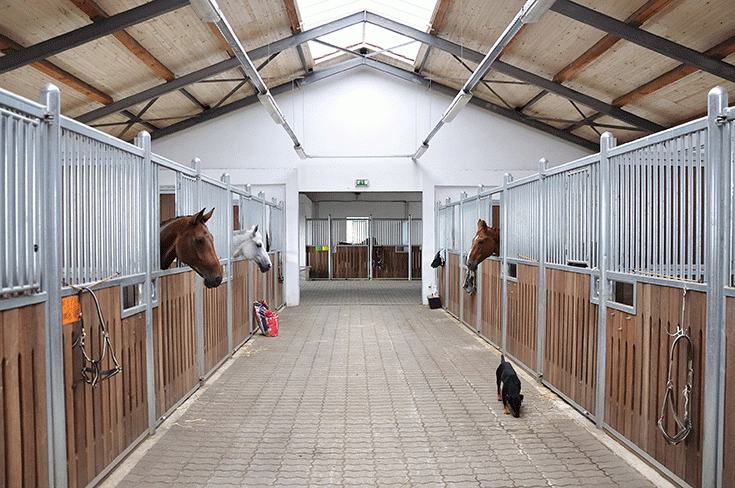
Equestrian yards and stables offer a wide range of services, including horse riding, training, care and breeding. They can include livery yards and stables, riding schools, equestrian centres, horse training and breeding and equine therapy and health centres.
Equestrian businesses face unique challenges when it comes to fire safety. Many owners and managers of these facilities might not fully appreciate the extent of the fire hazards present, including the highly flammable nature of hay and straw. There have been several incidents of fire in equestrian centres or stables leading to significant damage, the loss of horses and property damage.
The consequences of a fire in such settings can be catastrophic, leading to the loss of animals, risks to people as well as the destruction of equipment and yard buildings. However, most fires at equestrian yards and stables are preventable. This article aims to provide information to help you understand fire safety for equestrian yards and stables. It also details the steps required to conduct a fire risk assessment, how fire can be prevented and explain your legal obligations regarding fire safety.
Legal requirements for fire safety for equestrian yards and stables
It’s important to understand that equine facilities, like all premises housing animals, must comply with fire safety legislation. In England and Wales, this is governed by the
Regulatory Reform (Fire Safety) Order 2005, which applies to all non-domestic premises, including workplaces and animal stables and barns. Under this legislation, business owners of equestrian settings are mandated to conduct a fire risk assessment. Furthermore, if the business employs five or more people, the law mandates that this risk assessment be formally documented. The goal of a risk assessment in an equestrian setting is to ensure the safety of all occupants (people and animals) while minimising the potential for fire-related damage.
The fire risk assessment and the implementation of subsequent fire safety measures, as required by the Fire Safety Order, are the responsibility of a designated ‘responsible person’. This individual could be the owner, a resident of the equestrian centre or an employee. The ‘responsible person’ must have the necessary training or experience to effectively implement these measures.
The size and complexity of the equestrian yard premises will dictate the number of responsible individuals needed to ensure compliance and fire safety. The ‘responsible person’ must have the necessary training or experience to effectively implement these measures.
While this information provides general guidance, we recommend conducting further research to supplement your understanding.
Fire safety risk assessments- equestrian yards and stables
The goal of a risk assessment in an equestrian setting is to ensure the safety of all occupants (people and animals) while minimising the potential for fire-related damage. Conducting a risk assessment on equestrian yard, involves the following steps:
1. Identifying fire hazards
To locate and document potential sources of ignition, fuel and oxygen that could contribute to a fire. This includes electrical equipment and heating appliances, hot works, stored fuels and chemicals and combustible materials like hay, straw, muck heaps and bedding.
2. Determining who is at risk
To identify individuals who are at risk in the event of a fire, including horses, employees, visitors and nearby residents. Special consideration is given to those who may have difficulty evacuating quickly, such as individuals with disabilities.
3. Evaluating risks, implementing controls, reviewing the risk assessment
You will need to assess the likelihood and potential impact of identified hazards and implement measures to reduce or eliminate these risks. You will also need to revisit the risk assessment plans at regular intervals and make updates if necessary.
Training for fire safety for equestrian yards and stables
Based on the fire risk assessment, determine the number of people requiring training and its frequency. This may involve:

Conducting regular training sessions for all staff on fire safety procedures, including animal evacuation protocols.
Providing specific training for designated ‘responsible person/s’, focusing on fire extinguisher usage and leading evacuation procedures.
Emergency Evacuation Plans
Develop and regularly review an emergency evacuation plan tailored to the layout of the equestrian yard.
Ensure evacuation routes and exits are clearly marked, well-lit and free from obstructions at all times. Safe assembly points should be assigned and everybody should be aware of them.
Regularly conduct evacuation drills with staff and volunteers to ensure everyone is familiar with escape routes and procedures.
Develop specific plans for the safe evacuation of horses and other animals, considering their behaviour and needs.
Create clear signs to ensure that the evacuation routes are marked.
Safe storage of Flammable Materials
Ventilation: Ensure areas where flammable materials are stored are well-ventilated to prevent the build up of flammable gases.
Chemical Storage: Use appropriate containers and storage facilities for fuels, solvents and other chemicals, following manufacturer guidelines and legal requirements.
Segregation: Store flammable materials such as hay, straw and bedding away from main buildings, and especially away from areas with electrical equipment or where hot work, such as a farrier’s activities takes place.
Electrical fire safety in equestrian yards and stables
Ensure that a certified electrician performs annual inspections and testing on all electrical equipment, including Portable Appliance Testing (PAT).
It’s crucial to use electrical items correctly and maintain them properly.
Cleanliness
Ensure the yard remains clean and tidy by immediately clearing away any hay or straw and discarding waste in allocated containers.
No smoking policy and smoke alarms - Implement and strictly enforce a no-smoking rule throughout the yard.
Ensure any designated smoking areas are away from any flammable materials.
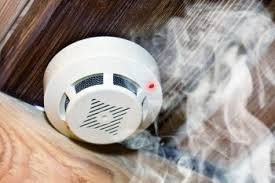
Smoke alarms: Install smoke alarms in all critical areas, including stables, barns and storage areas, to ensure early detection of fires. Utilise remote sounders to prevent distress to the horses.
Fire safety maps for your equestrian yard
Draft a map outlining your yard’s layout, highlighting fire hazards like gas and electrical points and storage spots for combustible materials such as hay, bedding and muck heaps.
Ensure the map also includes the positioning of fire extinguishers, water hoses and clearly marked evacuation routes and safe zones for both humans and horses.
Installing fire detection systems and fire safety equipment
Consider installing sprinkler systems in high-risk areas to automatically suppress fires and prevent their spread.
Select appropriate fire extinguishers and ensure their accessibility. Staff should be trained in their use, and regular inspections should be conducted to maintain good working order. Some staff will need to understand the suitability of different extinguishers for various types of fires.
Water extinguishers are ideal for fires involving straw, bedding and hay.
For fires involving electrical items, use non-water-based extinguishers.
Carbon dioxide extinguishers are effective but may startle horses due to noise upon activation.
Dry powder extinguishers are less noisy but release white powder, reducing visibility.
Foam extinguishers are recommended for fires involving flammable liquids.
Summary
Prioritising fire safety in equestrian yards and stables is crucial due to the potential for catastrophic damage from fires. However, with thorough planning and proactive management, the risk of fire incidents can be greatly reduced. Conducting a fire risk assessment is not only essential but also a legal obligation. This risk assessment should include considerations such as facilitating the quick release of animals, minimising fire risks from equipment and materials that can be accessed onsite and ensuring staff are trained in emergency procedures and equipment usage.
Get in touch today
Connecting with us is just a message away! We encourage you to reach out and engage with our team to explore how we can assist you in achieving your goals. Whether you have questions about our services, need further information, or wish to discuss a project in detail, we are here to help. Our dedicated team is committed to providing you with timely and informative responses. We understand that every inquiry is important, and we strive to address your needs as promptly as possible. By contacting us, you can gain insights into our offerings and discover how we can tailor our services to best suit your requirements.
To get started, you can reach out through various channels. Feel free to send us an email, give us a call, or fill out the contact form available on our website. Each method is designed to ensure that your communication is seamless and efficient. Additionally, we value your feedback and suggestions, as they play a crucial role in enhancing our services and ensuring that we meet your expectations. Your input can help us improve and innovate, allowing us to serve you and our community better. Don't hesitate—take the first step towards a fruitful collaboration today. We look forward to hearing from you soon and embarking on a journey that leads to success!


